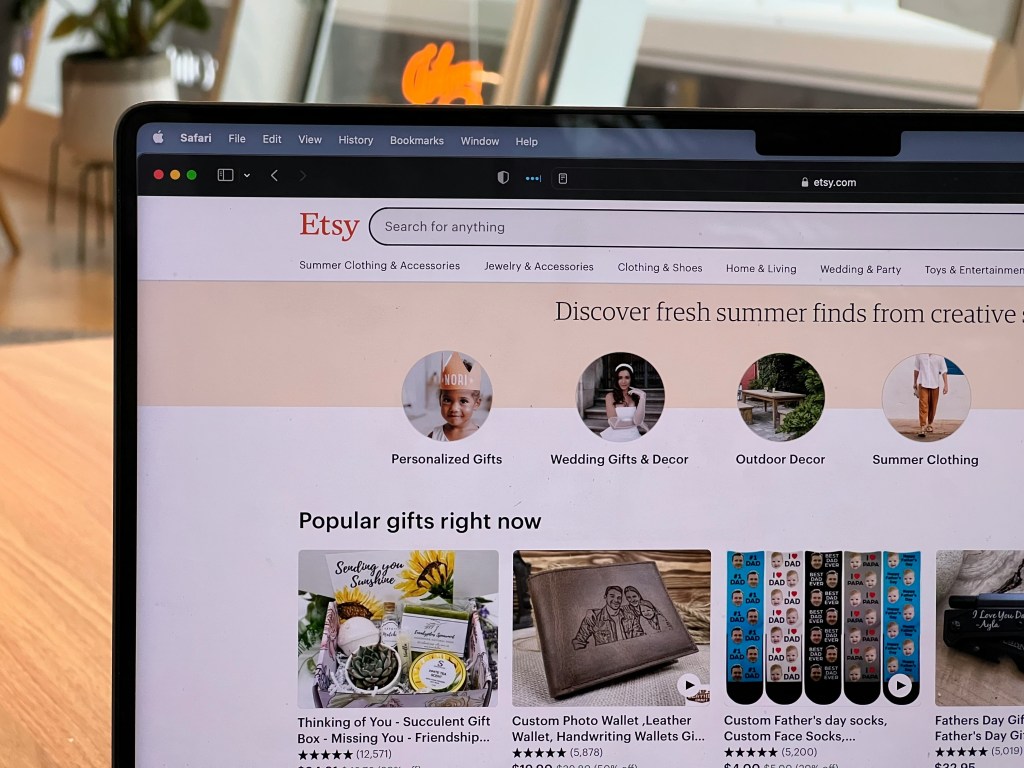
Starting an online business has never been easier — and in 2025, Etsy remains one of the most powerful e-commerce platforms for creative entrepreneurs. Whether you’re selling handmade jewelry, digital downloads, or personalized gifts, Etsy gives you access to a global audience with low startup costs and full creative control.
In this ultimate guide, we’ll walk through everything you need to know to launch, grow, and scale your Etsy shop — from choosing your niche to mastering SEO, marketing, and long-term business strategy.
Section 1: Laying the Foundation
How to Choose Your Niche and Product
Your niche determines your brand, audience, and long-term success. Start by identifying what you love creating and what customers are searching for. Popular Etsy categories in 2025 include:
- Handmade jewelry and home décor
- Printable planners and wall art
- Personalized gifts and apparel
- Sustainable or eco-friendly goods
Tip: Use tools like eRank or Marmalead to explore trending keywords and best-selling product ideas.
Understanding Your Market
Market research helps you align your creativity with demand. Ask yourself:
- Who is my ideal customer?
- What problems does my product solve?
- What are competitors doing well (and not so well)?
Browse Etsy’s “Best Sellers” in your category to analyze pricing, product photography, and customer reviews.
Branding Basics: Make It Memorable
Your branding sets you apart. Invest in:
- A memorable shop name and matching domain if possible
- A clean, consistent logo and banner
- High-quality product photos and a cohesive store aesthetic
Think of your shop as a visual story — every listing should reinforce your brand identity.
Setting Up Your Etsy Shop
Etsy’s platform is user-friendly, but knowing its structure helps.
- Fees: Etsy charges listing fees ($0.20 per item) plus transaction and payment processing fees.
- Policies: Set clear shipping, refund, and return policies to build trust.
- Optimization: Add a shop bio and announcement section using relevant keywords.
Product Creation & Sourcing
Make or Source — What’s Right for You?
You can create your own products (handmade, digital) or source them (e.g., print-on-demand, wholesale). Both have pros and cons:
| Approach | Pros | Cons |
|---|---|---|
| Handmade | Authentic, unique, creative control | Time-intensive |
| Digital | No inventory, passive income | High competition |
| Print-on-demand | Scalable, low upfront cost | Lower margins |
Quality, Packaging, and Shipping
High-quality products and packaging boost reviews and repeat sales.
- Use eco-friendly or branded packaging.
- Offer reliable shipping with tracking options.
- Always test your packaging durability before launch.
Pricing Strategy: The Profit Sweet Spot
Consider:
- Cost of materials and labor
- Marketplace fees
- Desired profit margin
- Perceived value (based on presentation and competition)
Photography: The Deal Maker
Great photos convert browsers into buyers.
- Use natural lighting and neutral backgrounds.
- Show multiple angles and close-ups.
- Include lifestyle photos to help shoppers visualize use.
Store Optimization & User Experience
How to Organize Your Etsy Shop
A clean layout improves browsing and conversions.
- Use categories (e.g., “Wedding Gifts,” “Digital Prints”)
- Write keyword-rich titles and descriptions
- Add 13 relevant tags per listing for SEO visibility
Etsy SEO Tips
Etsy’s search algorithm favors relevance, quality, and engagement.
- Use primary keywords in product titles and tags.
- Include natural keyword variations in descriptions.
- Refresh old listings regularly to maintain visibility.
Customer Experience Matters
Fast shipping, prompt replies, and honest policies encourage 5-star reviews.
Pro tip: Include a thank-you note or small extra in packages — it creates a memorable unboxing moment.
Useful Tools & Integrations
- Craftybase or QuickBooks for inventory
- Etsy Stats for performance tracking
- Canva for shop graphics
- Mailchimp or ConvertKit for email marketing
Marketing & Sales Growth
Social Media Strategies
Show up where your buyers hang out — usually Instagram, Pinterest, and TikTok.
- Share behind-the-scenes videos of your process
- Post customer testimonials
- Run small giveaways or product launches
Email Marketing & Retention
Build a list early. Use it for:
- Announcing new products
- Offering exclusive discounts
- Sharing tutorials or brand stories
Paid Ads vs. Organic Growth
Etsy Ads can help you test product visibility quickly. However, organic growth — through SEO and social content — builds long-term sustainability.
Content Marketing for E-commerce
Blogging or creating helpful Pinterest content positions you as an expert. As The VA Mom Blog often emphasizes, pillar content (deep, valuable guides) drives organic traffic and authority — both on Etsy and beyond.
Measuring Success
Track key metrics:
- Traffic: How many visitors come from search or social media
- Conversion Rate: % of visitors who buy
- Repeat Customers: A sign of brand loyalty
Scaling & Diversification
When to Expand
Once your shop is stable, consider:
- Adding new product lines or bundles
- Opening a Shopify store for more control
- Offering wholesale or B2B partnerships
Optimizing Workflow
Outsource tasks like photography, packaging, or marketing when growth outpaces your time. Tools like Asana or Trello can help streamline workflows.
Managing Your Business Finances
Track cash flow, taxes, and inventory regularly. A small bookkeeping system can save you hours (and stress) come tax season.
Stay Relevant & Keep Innovating
E-commerce trends change fast. Refresh old listings, survey your customers, and experiment with seasonal or trending products to keep your shop top-of-mind.
Conclusion: Your Etsy Success Starts Now
Launching and scaling an Etsy shop takes time, creativity, and consistency — but it’s one of the most rewarding ways to build a flexible, profitable business from home.
Your next step: Choose one action from this guide — whether it’s researching your niche, improving product photos, or setting up an email list — and commit to doing it this week.
Your future Etsy empire starts with one listing.
FAQs
Q: How much does it cost to start an Etsy shop?
A: You can start with as little as $0.20 per listing, plus minimal fees. Most sellers spend $50–$200 upfront on materials, branding, and photography.
Q: How long does it take to get sales on Etsy?
A: It varies — some see sales in a week, others in a few months. Consistent SEO, strong photos, and active marketing help speed up the process.
Q: What are the most profitable products on Etsy in 2025?
A: Personalized gifts, digital downloads, and eco-conscious items continue to dominate Etsy’s best-seller lists.
Q: Do I need a business license to sell on Etsy?
A: It depends on your local regulations. Always check your city or state’s small business requirements.
Q: How do I drive traffic to my Etsy shop?
A: Combine Etsy SEO, Pinterest marketing, and engaging social content to build consistent, organic traffic over time.
 The VA Mom Blog
Leave a comment