
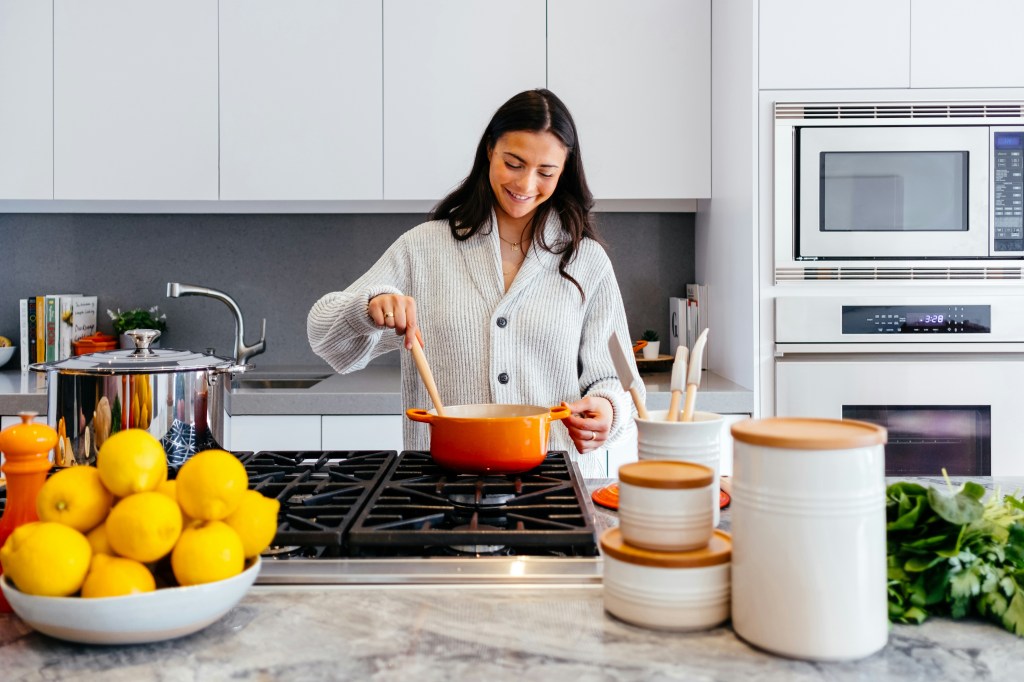
Cooking at home isn’t just about putting food on the table — it’s about nourishing your body, saving money, and connecting with loved ones. Home cooking offers countless benefits, from improved health and better portion control to stronger family bonds over shared meals.
In this ultimate guide, we’ll help you master the essentials: how to plan meals, stock your kitchen, enhance flavor naturally, and enjoy the process of making simple, healthy dishes you’ll love every day.
Kitchen Fundamentals
Essential Tools & Equipment You Need
Before diving into recipes, make sure your kitchen is equipped with the basics. These tools make cooking smoother and more enjoyable:
- Chef’s knife & cutting board – the foundation of every meal
- Non-stick skillet & saucepan – for everyday cooking
- Baking sheet & roasting pan – for one-pan wonders
- Mixing bowls & measuring cups – accuracy matters!
- Blender or food processor – perfect for soups, sauces, and smoothies
Pantry Staples for Everyday Cooking
Keep your pantry stocked with versatile, budget-friendly items so you can whip up meals anytime:
- Grains: rice, quinoa, pasta, oats
- Proteins: canned beans, lentils, tuna, eggs
- Oils & Vinegars: olive oil, sesame oil, balsamic vinegar
- Spices & Herbs: garlic powder, paprika, cumin, basil, oregano
- Extras: canned tomatoes, nut butter, soy sauce, honey
Basic Cooking Techniques to Master
You don’t need fancy skills — just a few reliable techniques:
- Roasting – enhances flavor and texture of veggies and meats
- Sautéing – perfect for quick meals with minimal cleanup
- Steaming – keeps nutrients intact
- One-pot meals – save time and reduce dishes
Meal Planning Basics
Meal planning reduces stress and food waste. Here’s how to start:
- Pick 3–4 core recipes each week.
- Shop for fresh produce and proteins that complement your pantry staples.
- Prep ahead — chop veggies, marinate meats, and batch-cook grains.
Healthy & Flavourful Cooking
Building Balanced Meals
Every meal should include:
- Protein (chicken, tofu, fish, beans)
- Carbohydrates (brown rice, quinoa, sweet potatoes)
- Vegetables (roasted, steamed, or fresh)
- Flavor Boosters (herbs, sauces, dressings)
How to Add Flavor Without Excess Salt or Fat
Flavor doesn’t require heavy sauces or salt. Try these instead:
- Fresh herbs like cilantro or basil
- Citrus zest and juice for brightness
- Spices like turmeric, cumin, and smoked paprika
- A drizzle of extra virgin olive oil for richness
Using Seasonal & Local Ingredients
Cooking with seasonal produce ensures better flavor, lower costs, and environmental benefits. In summer, think tomatoes and zucchini; in winter, root vegetables and leafy greens.
Substitutions for Dietary Restrictions
- Vegetarian: Replace meat with lentils or chickpeas
- Gluten-free: Use rice, quinoa, or corn-based pasta
- Dairy-free: Swap milk for almond or oat milk, cheese for nutritional yeast
Recipe Types & Ideas
Quick Weekday Dinners (Under 30 Minutes)
- Garlic shrimp stir-fry with rice
- Chicken fajita bowls
- Veggie-loaded omelets
Batch Cooking & Freezer-Friendly Meals
- Turkey chili
- Lentil soup
- Baked ziti or lasagna rolls
Comfort Food Made Healthier
- Cauliflower mac & cheese
- Baked sweet potato fries
- Whole-grain pizza with veggie toppings
Entertaining & Special Occasion Meals
- Lemon herb roasted chicken
- Creamy mushroom risotto
- Charcuterie-style grazing board
Exploring International Flavors at Home
Travel the world without leaving your kitchen:
- Thai curries
- Italian pastas
- Mexican tacos
- Mediterranean bowls
Making Cooking Enjoyable & Sustainable
Cooking with Kids or as a Family Activity
Turn cooking into quality time. Kids can wash veggies, stir batter, or plate food — making them more likely to eat what they help create.
Minimizing Waste
- Repurpose leftovers: roast chicken becomes soup or salad
- Freeze extras: cooked grains and sauces store well
- Compost scraps: turn waste into garden gold
Creating a Routine
- Plan: Choose recipes and make a grocery list.
- Prep: Wash and chop produce ahead of time.
- Cook: Batch meals or use quick methods.
- Clean: End each cooking session with a tidy kitchen.
Sharing & Building Community
Share your love for food by:
- Swapping recipes with friends
- Hosting potlucks or themed dinners
- Sharing your creations on social media — tag The VA Mom Blog for a feature!
Conclusion & Next Steps
Cooking at home is more than a task — it’s a rewarding, creative, and health-boosting habit that brings people together. With a few simple tools, smart meal planning, and the right recipes, you can transform your daily routine into something joyful and nourishing.
👉 Your challenge: Pick one new recipe this week and try it!
FAQs
Q: How can I start cooking at home if I’m a beginner?
Start with simple, 5-ingredient recipes and one-pot meals. As you gain confidence, try new techniques like roasting or stir-frying.
Q: How do I save money with home cooking?
Plan meals, buy ingredients in bulk, and use leftovers creatively. Cooking at home can cut food costs by 30–50%.
Q: What’s the best way to add flavor naturally?
Use herbs, spices, garlic, citrus, and slow-cooking methods that deepen flavor without excess salt or fat.
Q: How do I keep cooking exciting every week?
Rotate cuisines, try new spices, and cook with seasonal produce to keep meals fresh and fun.
Q: How can I involve my kids in cooking?
Give age-appropriate tasks like washing produce, stirring, or setting the table — it teaches responsibility and teamwork.
 The VA Mom Blog
Leave a comment