
I saw the post. I read it. I sent a message.
And then I closed the app and didn’t think much about it.
That’s the honest version. I was scrolling through a Facebook group when I came across a post from someone who needed help with her social media. There were already a lot of comments — a lot of competition. I knew the chances of her choosing me over everyone else who had replied were slim. But I thought: at least I tried. And there’s always that quiet what if — what if she picks me?
So I sent the message anyway, without pouring too much energy into hoping for a reply. That low-expectation approach might actually be what kept me calm enough to write something genuine.
She replied.
That one reply — from that one message I sent without expecting anything — is how I got my first virtual assistant client. And everything that came after: the referrals, the international clients, the six-year working relationship I still have today — it all traces back to that moment.
If you’re a beginner trying to figure out where to find your first VA client, I want to tell you this story. Not because it’s glamorous, but because it’s real. And because I think the most helpful thing I can do is show you exactly what happened — including what I said.
The Facebook Group That Started Everything
When I was still working office-based at a digital marketing and VA agency, part of my role was finding clients for our VAs. So I knew Facebook groups. I had been in them for work. I understood how they functioned — small business owners posting their needs, freelancers responding, connections forming in comment sections and DMs.
I had seen it work for others. I just hadn’t tried it for myself yet.
In 2020, during the pandemic, I finally started showing up in those groups not as someone finding clients for other VAs — but as a VA looking for her own clients. The shift felt bigger than it sounds. There’s a difference between doing something on behalf of your employer and doing it for yourself. The stakes feel different. The fear feels different.
I joined groups where business owners and entrepreneurs gathered — the kind of communities where people post openly about what they’re working on and what they need help with. I wasn’t there to spam or post generic pitches. I was there to read, to understand what people were struggling with, and to look for a moment where I could genuinely help.
That moment came when I saw a post from an Immigration Attorney.
What She Posted — And Why I Responded
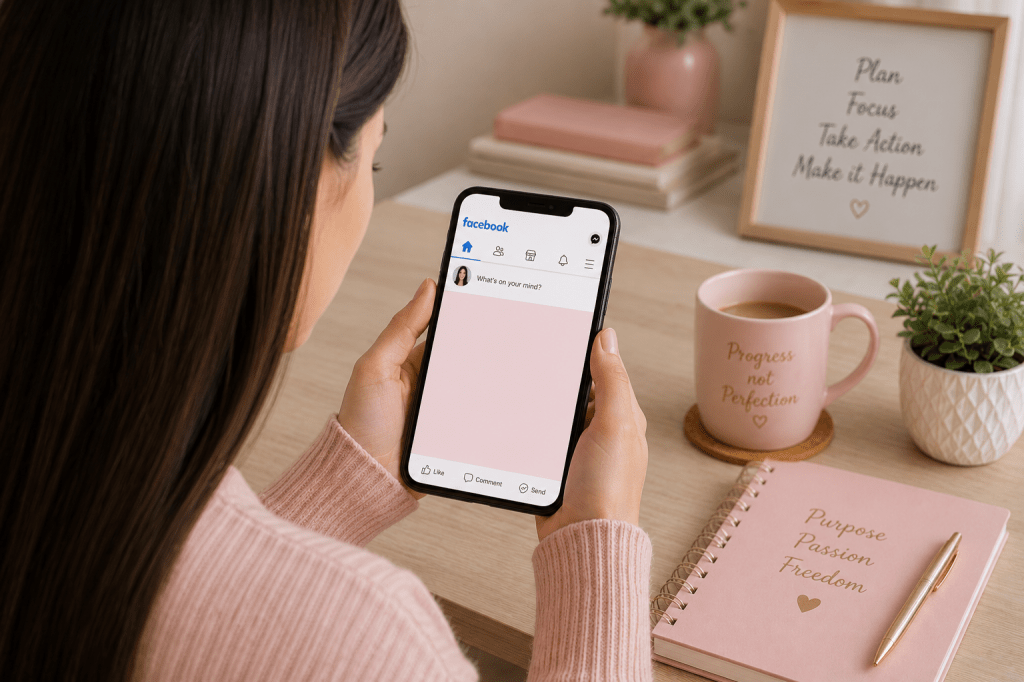
She posted about needing help with her social media. The details of what she was looking for matched things I knew how to do — content creation, managing social accounts, basic design work. I wasn’t an expert. But I understood enough to help, and I was willing to work hard to fill any gaps.
I read it and thought: I can do this.
I didn’t overthink the message. I just wrote it and sent it. The real uncertainty wasn’t whether I should reach out — it was whether she would ever reply at all. With that many people already commenting and DMing, I figured my chances were low. I sent it anyway, more out of habit than hope. Finding opportunities and reaching out was something I had done at the agency — it was familiar territory, even if this time it was for myself.
Here’s what I didn’t do: I didn’t open with my background. I didn’t lead with “Hi, I’m Charisse, I’m a VA from the Philippines with experience in—” That kind of message is about you. And at that moment, she didn’t need to hear about me. She needed to feel heard.
So I addressed her specific need first.
I acknowledged what she was looking for. I showed her I had actually read her post — that I understood the problem she was trying to solve. Then, once I’d done that, I mentioned my skills and how they matched what she needed.
It wasn’t a long message. It wasn’t formal. It was direct, warm, and specific to her.
What Happened When She Replied
She was interested.
She asked real, practical questions — could I help with specific tasks? Was I available for a set number of hours per week, since she wasn’t hiring full-time? What were my rates? And since it was her first time working with a VA, she wanted to understand how the whole process worked.
Those questions felt nerve-wracking in the moment. But looking back, they were just a client being careful and thorough — which is exactly what you want. It meant she was serious.
And then she asked something I didn’t expect: she asked if I was from the Philippines.
She had lived there for a short time and shared a little bit of that story with me. Just a few lines, but it changed the tone of the whole conversation. Suddenly it wasn’t just a business exchange — it was two people connecting. She was warm. She was curious. She was human.
I remember feeling the tension in my shoulders ease a little.
We weren’t just client and VA from that first conversation. We were two people who had a tiny piece of geography in common, talking about how I could help her business. That small personal moment made everything feel less scary and more real.
She became my first client. She introduced me to other Immigration Attorneys she knew. And through those referrals — without a website, without a portfolio, without a formal pitch deck — I built my first roster of international clients.
What I Learned From That First Message
Looking back, I can see clearly why it worked — and what I’d tell any beginner VA trying to find their first client today.
Respond to specific posts, not general ones. When someone posts a clear need, they’re already halfway to saying yes. You don’t have to convince them they need help — they’ve already decided they do. Your job is just to show them you’re the right person to provide it.
Lead with their problem, not your pitch. The most common beginner mistake is opening a message by talking about yourself. But the person reading it is thinking about their business, their problem, their time. Show them you understand that first. Your background comes second.
Be specific, not comprehensive. You don’t need to list every service you can offer. Respond to what they actually asked for. Specificity shows you actually read the post — and that matters more than you think.
Don’t wait until the message is perfect. I sent that message before I talked myself out of it. If I had waited until I felt ready, until I had a portfolio, until I was more confident — I might still be waiting. Done is better than perfect, especially when you’re just starting out.
Being genuine goes further than being polished. I didn’t have a script. I didn’t have a template. I had a genuine response to a real need, written in my own words. That’s what got a reply.
Where Else Beginners Can Find VA Clients

Facebook groups were my starting point — and they remain one of the best places for beginners to find their first virtual assistant client because the barrier to entry is low and the conversations are human. But they’re not the only option.
LinkedIn is worth setting up even as a beginner. A clear profile that says what you do and who you help makes you findable. Business owners search for freelancers there every day.
Upwork is one I haven’t personally tried, but it’s worth knowing about. A lot of businesses go there specifically to hire freelancers, and a focused profile with a clear offer tends to get more traction than a vague one. It’s competitive, but it’s also where clients are actively searching — which matters.
OnlineJobs.ph is especially worth exploring if you’re a Filipino VA. Many US, UK, and Australian clients use it specifically to find Filipino talent, and they’re often looking for long-term working relationships. The pay can start lower than other platforms, but it’s a solid starting point — and long-term clients mean stability, which matters more than rate when you’re just beginning.
Referrals from your first client are underrated and underestimated. My first client became the source of most of my early work. One yes, treated well, can turn into five clients without you having to pitch anyone new.
A Note to Beginners: The Competition Is Real Now — Here’s What to Do About It
I want to be honest with you about something.
When I sent that message in 2020, the freelance landscape looked different. Remote work was growing, but the competition wasn’t what it is today. Now, with more people than ever working from home — freelancers, VAs, agencies all competing for the same clients — what worked for me back then isn’t enough on its own anymore.
If I were starting from scratch today, here’s what I would do before I even thought about reaching out to clients:
Build experience before you need it. Do you have a friend with a small business, a local shop, a food page? Offer to manage their social media for free for a week. Create content, design graphics, save everything. That’s your portfolio — even if no money changed hands.
Offer a trial. Some clients are willing to let you work for a reduced rate or even a short free trial before committing. This removes their risk and gives you proof. Same principle: save the content, capture the metrics, screenshot the results.
Build your own social presence. Create a professional page or profile and post what you know — VA tips, Canva tutorials, content ideas, whatever falls in your niche. That feed is a portfolio. Clients will look you up. Give them something to find.
Be present in groups before you pitch in them. Show up. Comment helpfully. Answer questions. When people in a group already recognize your name as someone who adds value, your outreach message lands differently than a stranger’s.
When you do reach out — be specific. Read the post carefully. Respond to the actual need. Show them you understood what they asked for, not just that you exist and you’re available.
The path from zero clients to your first client is harder now than it was in 2020. But it’s not impossible. It just requires showing up with more intention — and being willing to do the work of building proof before you ask anyone to take a chance on you.
I got lucky with a friendly client and the right message at the right time. You can create your own version of that luck. It just takes a little more groundwork first.
Read next: I Didn’t Think I Had a Skill Worth Selling — Here’s How I Became a VA Anyway — the story of how I got started, including the doubts I had to push through before I ever sent that first message.


Leave a comment