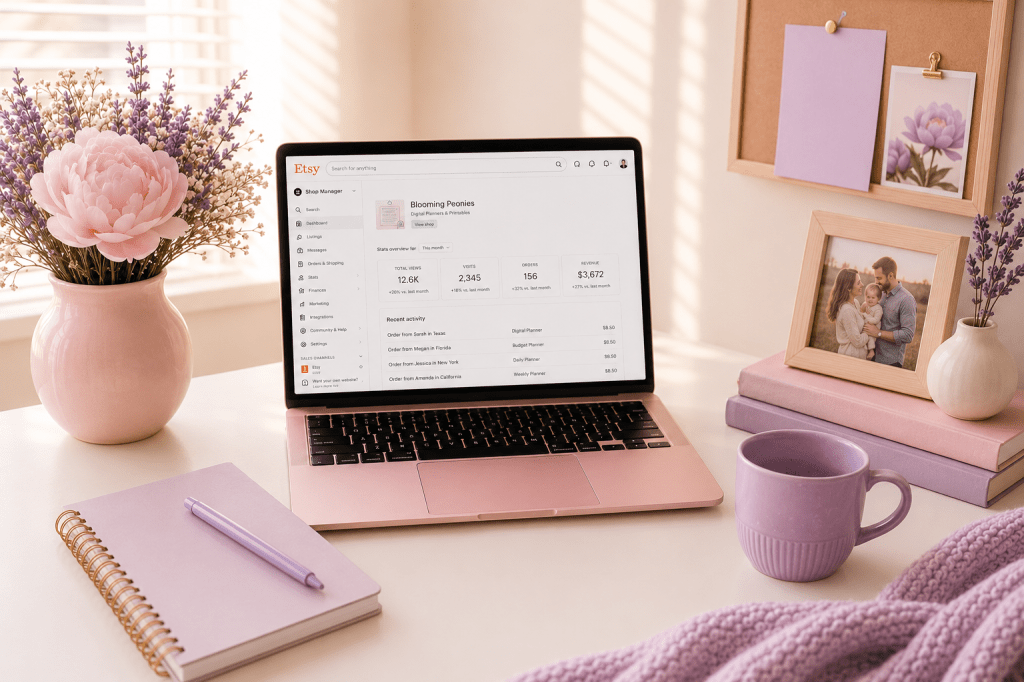
You’ve probably seen it. A mom in a Facebook group posts a screenshot of her Etsy payment notification, and you think — wait, she’s really making money from that?
Yes. She is.
Learning how to sell on Etsy as a side hustle is one of the most beginner-friendly, low-investment moves you can make as a work-from-home mom. No MLM. No inventory. No upfront stock to buy. Just a skill, a small one-time setup fee, and products that can sell while you sleep.
If you’ve been searching for flexible ways to earn from home around your kids, without a boss, a fixed schedule, or experience required, Etsy’s digital products category is one of the most realistic places to start.
But here’s what those income screenshots don’t tell you: it takes time, strategy, and the right product choice. Skip those parts, and you’ll spend weeks creating things that sit there with zero sales.
In this guide, I’ll walk you through everything you need to know — what Etsy is, what to sell, how to set up your shop step by step, how much it actually costs, and the honest truth about building real income as a beginner Etsy seller.
What Is Etsy and How Does It Work?
Etsy is an online marketplace where independent sellers list handmade, vintage, and digital products to buyers around the world. Unlike Amazon or Shopee, Etsy’s audience is specifically looking for unique, creative, and personalized items, which is a huge advantage for small sellers.
As a seller, you set up your shop, list your products, and Etsy brings buyers to you through its own search engine. You don’t need a website, a social media following, or an email list to start. That built-in traffic is one of Etsy’s biggest advantages, especially for beginners starting from scratch.
There are three main types of products you can sell on Etsy:
- Handmade physical products — crocheted items, candles, resin crafts, custom jewelry
- Print-on-demand — custom mugs, t-shirts, and tote bags with no inventory (a print partner fulfills and ships for you)
- Digital downloads — printables, planners, templates, Canva graphics, and spreadsheets
For moms looking for a low-investment side hustle, digital products are the sweet spot. You create them once and they sell over and over, automatically delivered to buyers after purchase. No packing boxes at midnight.
Why Etsy Works as a Side Hustle for Moms
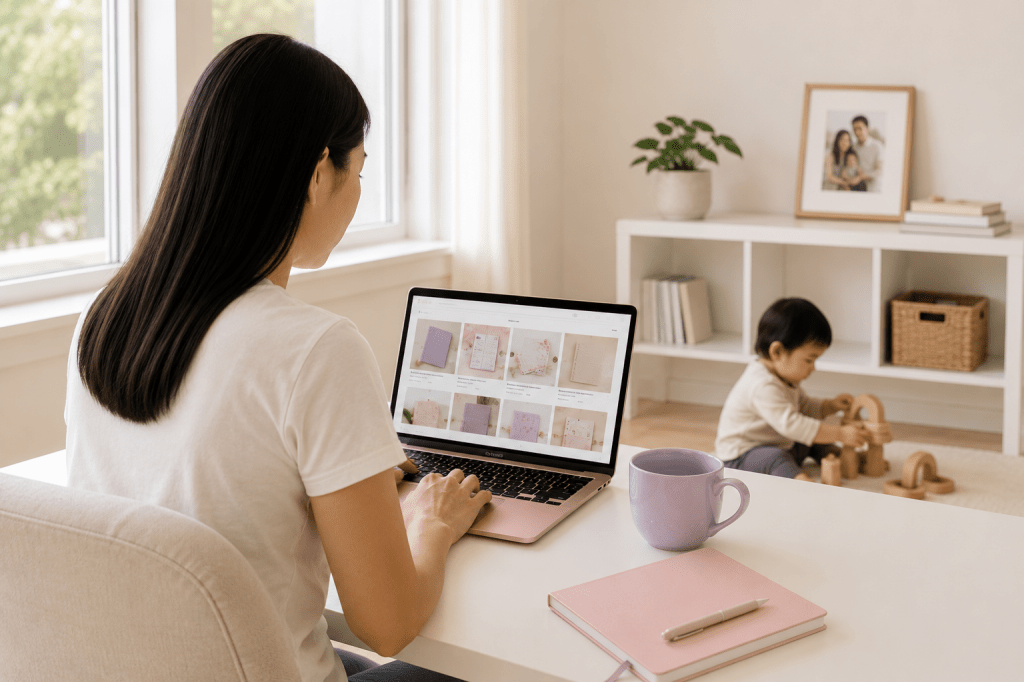
You don’t need to quit anything to start. You don’t need startup capital. And you can work on it during nap time, after bedtime, or in whatever small pockets of time you actually have.
Here’s why an Etsy side hustle makes sense for moms specifically:
The startup cost is low. Etsy charges a one-time setup fee to open a new shop, currently ranging from $15 to $29 USD (roughly ₱850 to ₱1,650 depending on the exchange rate). This was introduced in 2024 to reduce fraud and fake shops, which is actually good news for serious sellers. It keeps the competition cleaner. After that one-time fee, you only pay when you list items and when you make a sale. No monthly subscription required.
Digital products are truly passive. Once your file is uploaded and your listing is live, Etsy delivers the download to every buyer automatically. Sales can come in while you’re at a school event or making dinner.
You can start with skills you already have. Good at making checklists? Budget spreadsheets? Party invitation designs in Canva? There are buyers on Etsy for all of those things.
You set your own schedule. No clients. No deadlines from someone else. No 9 AM meeting you can’t attend because the baby won’t sleep.
What to Sell on Etsy as a Beginner Mom
The most beginner-friendly products on Etsy right now are digital downloads, specifically ones that solve everyday problems for buyers. Here are the categories with consistent demand:
Printables and Planners
Budget trackers, meal planners, cleaning schedules, school organization sheets, pregnancy journals, and habit trackers. These sell well because people want organization tools but don’t want to build them from scratch. If you can make something useful and attractive in Canva, this is your lane.
Canva Templates
Business owners, coaches, and content creators buy Canva templates constantly — Instagram story sets, media kits, client welcome packets, social media post bundles. This is one of the highest-demand digital product categories on Etsy right now, and it’s very learnable even if you’re not a designer.
Spreadsheets and Trackers
Google Sheets or Excel budget trackers, expense logs, invoice templates, and savings challenge trackers. You don’t need to be an accountant. If you can build a helpful, clean spreadsheet, there’s a buyer for it.
Digital Wall Art
Printable quotes, nursery art, affirmation posters, minimalist home decor. Buyers download and print at home or at a local print shop. Simple to create, wide audience.
Kids and Family Printables
Chore charts, reward charts, reading logs, bedtime routine cards, birthday countdown calendars. As a mom, you literally know your audience better than most sellers ever will.
Worth knowing: The best-selling products on Etsy aren’t always the most beautiful, they’re the most useful. Before you design anything, search for it on Etsy and check whether those listings have recent reviews. Reviews are proof people are buying. Use a free tool like eRank to check keyword search volume before you invest time creating a product.
How to Sell on Etsy: Step-by-Step for Beginners
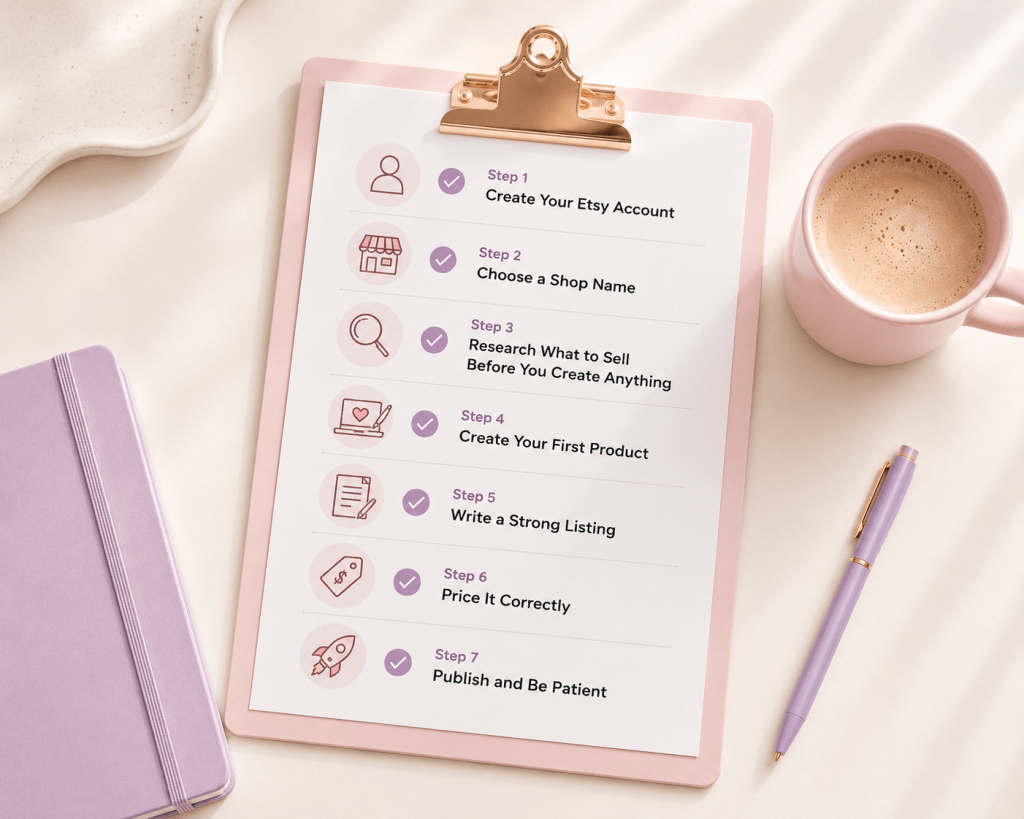
Here’s the exact process for getting your shop up and running, from zero to your first live listing.
Step 1: Create Your Etsy Account
Go to etsy.com and sign up for free. You’ll start with a buyer account, then switch to seller mode to open your shop. The whole setup takes about 30 minutes.
Step 2: Choose a Shop Name
Pick something simple, memorable, and related to what you plan to sell. You can change it later, so don’t let this stop you. Just get it done and move forward.
Step 3: Research What to Sell Before You Create Anything
This is the step most beginners skip, and it’s the most important one. Search your product idea on Etsy and look at how many results appear and whether those listings have recent reviews. That’s your demand signal. Use eRank’s free plan to check keyword search volume for your specific idea before investing hours into a product no one is looking for.
Step 4: Create Your First Product
For digital products: design in Canva, export as a PDF or PNG, and upload the file to your listing. Canva’s free plan is more than enough to get started. For physical products, take clean photos with good natural lighting.
Step 5: Write a Strong Listing
This is where most beginner Etsy sellers drop the ball. Your title, tags, and description determine whether Etsy’s algorithm shows your product to buyers at all. Use keywords that buyers actually search, not just what sounds nice to you.
Example: Instead of “Cute Budget Planner,” write “Monthly Budget Planner Printable | Budget Tracker PDF | Personal Finance Planner.” The second version includes multiple keywords buyers actually search for, helping Etsy better understand and rank the listing.
Step 6: Price It Correctly
For simple digital products, $3 to $15 is a common starting range. For bundles or premium templates, $15 to $40 or more is realistic. Don’t underprice just to compete; you’ll attract bargain hunters and burn yourself out. Price for what it’s worth.
Step 7: Publish and Be Patient
Most Etsy shops don’t get their first sale in week one, and that is completely normal. The average new shop needs 3 to 6 months of consistent effort before seeing meaningful traffic. Publish your listing, keep creating more products, and let the algorithm learn your shop.
How Much Does It Cost to Start an Etsy Shop?
This is one of the most common questions from beginners, and the honest answer is: low, but not zero.
Here’s the full breakdown of what you’ll pay:
| Fee | Amount |
|---|---|
| One-time setup fee | $15 to $29 USD (roughly ₱850 to ₱1,650) — paid once when opening a new shop |
| Listing fee | $0.20 per item (charged when published + every 4 months or after each sale) |
| Transaction fee | 6.5% of the total sale amount, including shipping |
| Payment processing (US) | 3% + $0.25 per transaction |
| Payment processing (Philippines) | 4.5% of total sale + ₱25 flat fee per order |
| Deposit fee (Philippines) | ₱100 per deposit if your payout is below ₱5,000 |
The setup fee is a one-time cost Etsy introduced in 2024 to reduce bot shops and fraud. You pay it once when you open your shop, never again.
After that, Etsy takes roughly 10 to 12% of each sale in ongoing fees for US-based sellers. For Philippine sellers, factor in the higher processing rate when pricing your products.
For digital products, there’s no shipping cost, which simplifies your math a lot.
Real example (US seller): You sell a planner bundle for $15. Etsy takes about $1.50 to $1.80 in combined fees. You keep roughly $13.
Factor this into your pricing from day one. Price too low and the fees eat your margin — and you’ve worked for almost nothing.
For Philippine-based sellers: Etsy Payments is available in the Philippines and you can receive payouts directly to your Philippine bank account in pesos, no third-party account required. Your payment processing fee is 4.5% + ₱25 per order (higher than the US rate of 3% + $0.25, so factor this into your pricing). One more thing to know: Etsy charges a ₱100 deposit fee any time your payout is below ₱5,000. To avoid that fee, either let your balance build past ₱5,000 before requesting a deposit, or adjust your deposit schedule. If you list your products in USD instead of PHP, Etsy will also charge a 2.5% currency conversion fee — so it’s worth setting your shop currency to match your payout currency.
Common Beginner Mistakes to Avoid
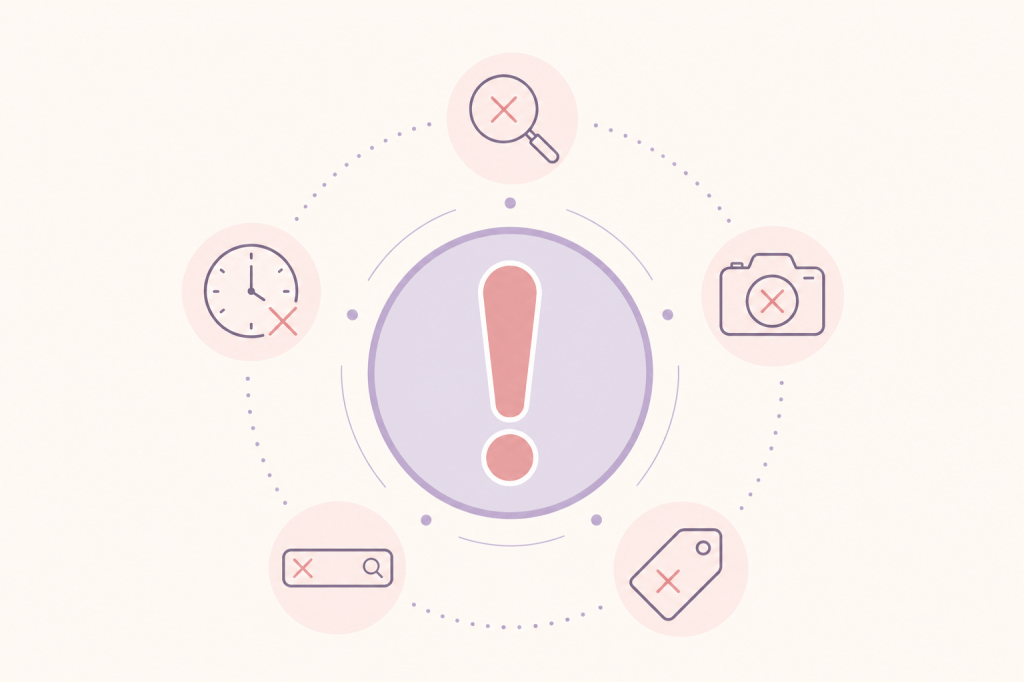
A lot of new sellers hit the same walls. Here’s what to watch out for:
Not researching demand first. Creating a product no one is searching for is the number one reason new shops fail. Search before you build.
Only listing one or two products. More listings mean more chances to be found in Etsy search. Aim for 20 or more listings over time.
Writing titles that sound pretty instead of searchable. Etsy is a search engine. Your listing title needs the keywords buyers are actually using, not just words that sound nice.
Giving up too early. Sixty days is not enough time to judge an Etsy shop. Give it at least 3 to 6 months before deciding it isn’t working.
Ignoring Etsy SEO. Your tags and title are how Etsy decides who sees your listing. Fill in all 13 tags. Use specific, long-tail keyword phrases, not just single words.
The mistake no one talks about: Most beginners spend 80% of their time designing and 20% on their listing copy, when it should be the other way around. A beautifully designed planner with a vague title and empty tags will never be found. A simpler design with a perfectly optimized title and all 13 tags filled in will outsell it every time. Etsy rewards discoverability, not just quality. Fix your listing first, then improve your design.
Do I Need a Business License to Sell on Etsy?
This depends on your country and local regulations.
In the Philippines, small online sellers typically start informally as sole proprietors. Formal registration requirements vary by city, so if you’re earning consistently, it’s worth checking with your local city hall or a local accountant.
In the US, many Etsy sellers start without a formal business license. Requirements vary by state and city, and most sellers address registration once their income reaches a consistent level.
The good news: you don’t need a business license to open your Etsy shop and make your first sales. You can sort out the formalities as your income grows.
Frequently Asked Questions
How do beginners start selling on Etsy?
Create a free Etsy account, set up your shop, research what products have real demand, create your first product (digital products are the easiest starting point), write a keyword-optimized listing, and publish. The hardest part for most beginners isn’t the setup; it’s the patience to keep going before the first sale arrives.
How much does it cost to open an Etsy shop?
New Etsy shops pay a one-time setup fee of $15 to $29 USD (roughly ₱850 to ₱1,650) before going live. This fee was introduced in 2024 and is non-refundable. After that, the ongoing cost is $0.20 per listing when you publish, plus transaction and processing fees only when you make a sale. For Philippine sellers, the payment processing fee is 4.5% + ₱25 per order, higher than the US rate, so factor that into your pricing from the start. There’s also a ₱100 deposit fee if your payout is below ₱5,000, so it’s worth letting your balance accumulate before requesting a deposit.
Can moms make money on Etsy?
Yes. Many moms earn consistent supplemental income through Etsy, especially selling digital products like printables, planners, and Canva templates. It’s not instant and it’s not passive from day one — but with research, consistency, and realistic expectations, it’s absolutely achievable around a family schedule.
What sells best on Etsy?
In 2026, top-performing categories include digital downloads (especially planners, trackers, and Canva templates), printable wall art, kids’ printables, and niche-specific spreadsheets. The key is finding a specific product within a category rather than competing in the most crowded, general terms.
How long does it take to get your first Etsy sale?
Most sellers with well-optimized listings and in-demand products see their first sale within 30 to 90 days. Some see it sooner; others take longer. Consistent shop activity, more listings, and strong SEO in your titles and tags all speed up the process.
Do you need a business license to sell on Etsy?
Requirements vary by country and location. Many sellers start informally and address formal registration once income becomes consistent. In the Philippines, check with your local city hall or a local accountant. In the US, requirements vary by state.
Your Etsy Side Hustle Starts With One Product
You don’t need a perfect shop, a polished logo, or 50 listings to get started.
You need one good product, the right keywords in your listing, and the willingness to keep going past the slow start.
Learning how to sell on Etsy as a side hustle is one of the few genuinely low-cost, no-scam ways for moms to earn from home in 2026, especially with digital products. And the best part? You can start tonight with nothing but a Canva account, a product idea, and your first Etsy shop.
When you’re ready to explore more ways to earn from home alongside your Etsy shop, check out Work From Home Jobs for Moms — The Complete Guide.
 The VA Mom Blog
Leave a comment